


Themes & Plug-ins in WordPress are a piece of software that adds new features and functionality
Your theme is your website’s outfit – its visual style and overall feel.
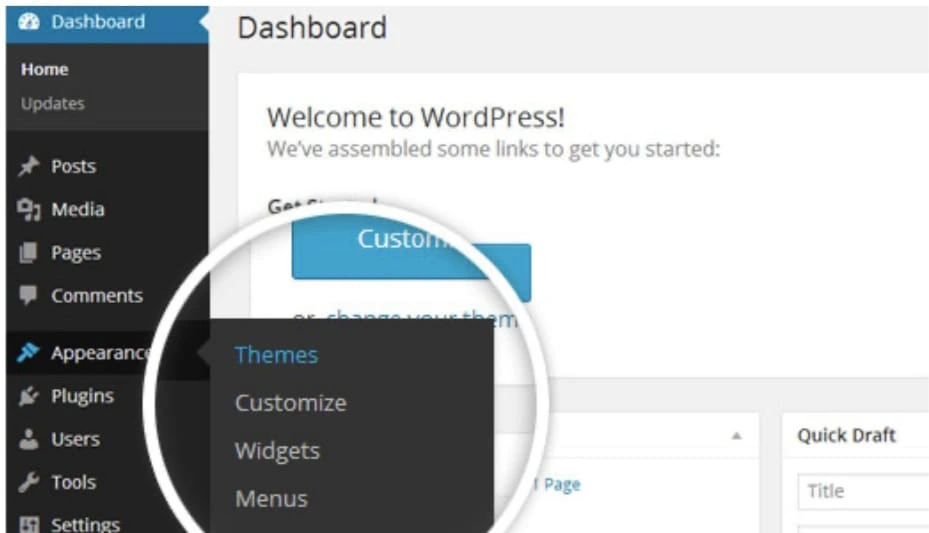
The “Easy Pick” (From WordPress.org) themes are found directly within your WordPress dashboard.
- Go to Appearance > Themes.
- Click “Add New.”
- Browse, Dream, and Choose: Look for themes that are simple, fit your vision, and have good reviews. Think “clean and purposeful.”
- Install & Activate: Click those buttons, and your website instantly gets its new look.
The “Special Find” (Uploading a Theme)
Sometimes you buy a unique theme from a marketplace.
- Download: You’ll get a zipped file. Make sure it’s just the theme file, not a big package with documentation.
- Go to Appearance > Themes > Add New > Upload Theme.
- Choose the Zip, Install, and Activate.
Adding Your Plugins: The “Smart Tools” for Your Home
Plugins are like the useful appliances and gadgets in your home – they add specific functions, from contact forms to security locks.
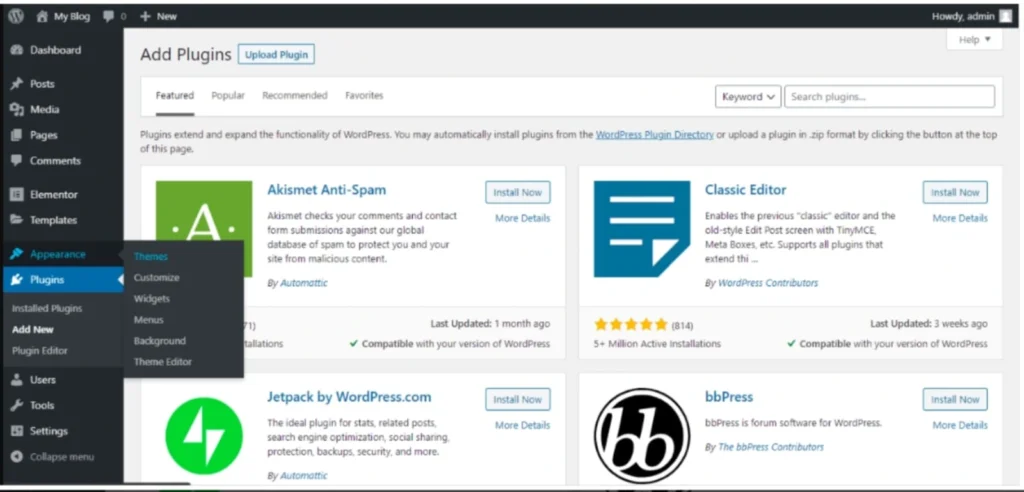
The “Toolkit” (From WordPress.org)
Most plugins come from the WordPress plugin directory.
- Go to Plugins > Add New.
- Search & Scout:
- “How Many Use It?”: Look at “Active Installations.” High numbers often mean reliability.
- “How Fresh Is It?”: Check “Last Updated.” Recently updated means it’s cared for.
- “What Do Others Say?”: Read a few reviews. Are people happy? Do they get help when needed?
- Install & Activate: Click away!
Your Theme, Your Legacy
Updating your WordPress theme is an ongoing commitment to your website’s health, performance, and longevity. It’s a proactive step that protects your digital investment and ensures your “living canvas” continues to evolve gracefully, adapting to the modern web, and always presenting your story in its best light. Embrace the update cycle not as an obligation, but as an essential part of nurturing your online presence.
WordPress themes are currently living through a fascinating evolution, driven by the platform’s continuous innovation.
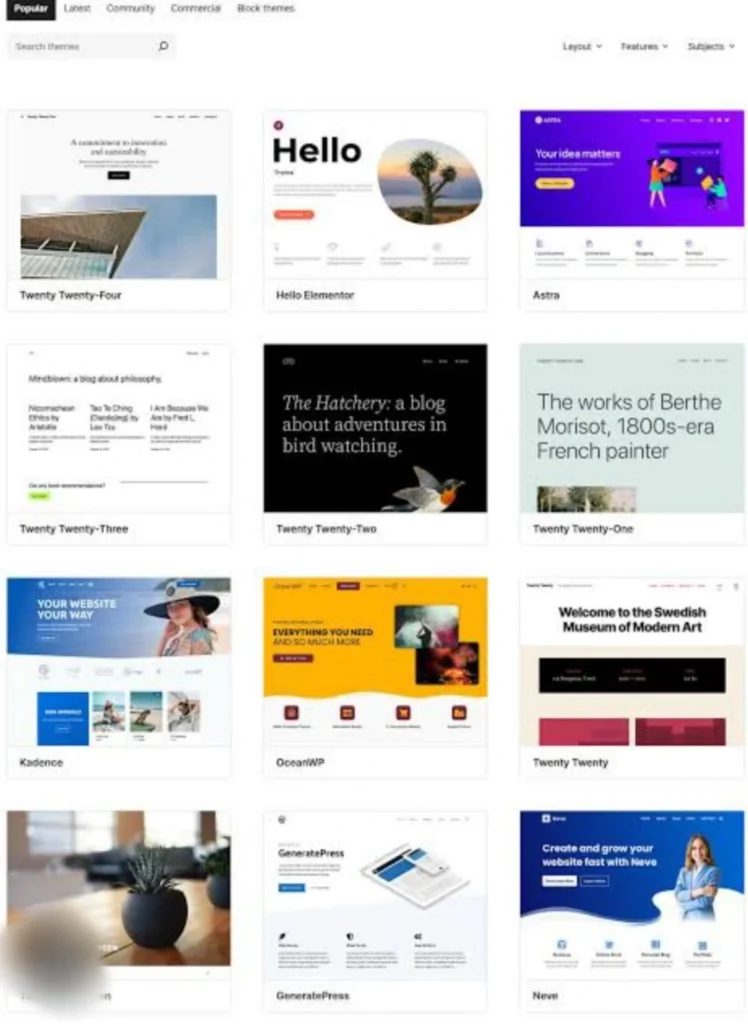
1. The “Classic” Theme: The Established Maestro
For years, the Classic Theme has been the maestro conducting the WordPress orchestra. Built predominantly with PHP, these themes set a fixed design framework. Customization often happened through the “Customizer” (a limited set of options) and relied heavily on page builder plugins (like Elementor or Divi) to truly break free from the theme’s default layouts.
- Its Personality: The Classic Theme is reliable, well-understood, and has a vast ecosystem of compatible plugins. It’s like a grand, meticulously designed concert hall – beautiful and functional, but its structure is largely set. You could add different seating arrangements or lighting, but the walls remain fixed.
- Best Suited For: Websites that prefer a traditional content flow, those deeply integrated with specific page builders, or users who appreciate a more defined structure to begin with. Many established blogs, business sites, and e-commerce stores still thrive on robust Classic themes.
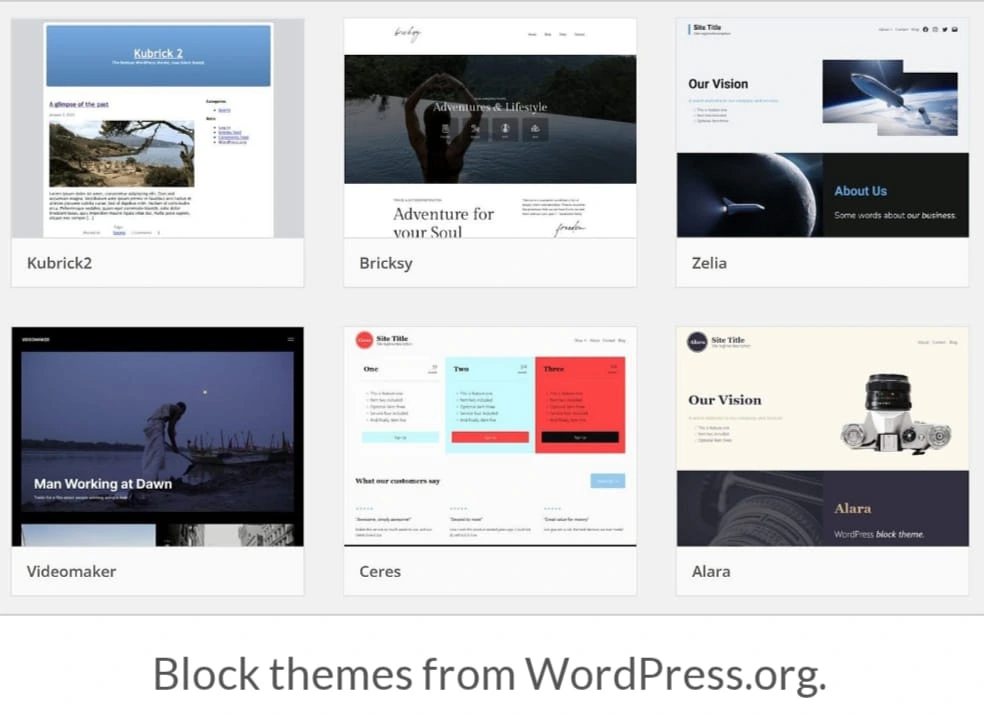
2. The “Block” Theme: The Adaptive Architect of Tomorrow
Enter the Block Theme, the new wave, and truly the future of WordPress. These themes are built from the ground up to embrace Full Site Editing (FSE). This means every single part of your website – headers, footers, sidebars, post templates, even the 404 error page – is composed of “blocks” that you can visually edit and rearrange. No more diving into code for simple layout changes, and often, less reliance on heavy page builder plugins.
- Its Personality: The Block Theme is an adaptive architect. It provides you with a robust set of building blocks and patterns, allowing you to fluidly sculpt your site’s structure directly within the intuitive Site Editor. It’s like having a set of high-tech modular units that you can snap together, reshape, and restyle with unprecedented freedom. The very essence of its design is flexibility and visual control.
- Best Suited For: Those who crave ultimate visual control without code, new websites looking to embrace the latest WordPress capabilities, and designers who want to quickly iterate on layouts and global styles. This is where WordPress is pushing the boundaries of what’s possible for everyday users to create.
Beyond the Architecture: Themes by Their Purpose & Style
Beyond their underlying technology, themes also have distinct personalities based on what they’re built to achieve.
1. The “Multipurpose” Theme: The Versatile Chameleon
These themes are designed to be adaptable to almost any kind of website. They come packed with features, demo sites for various niches, and deep integration with popular page builders.
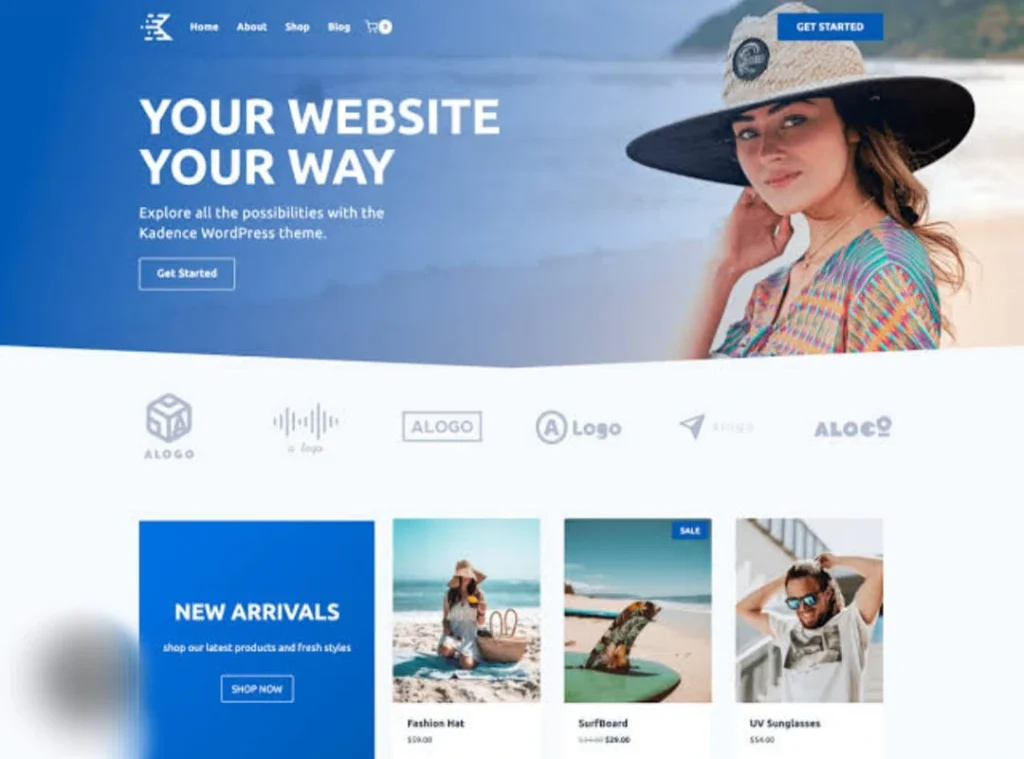
- Its Personality: The Multipurpose Theme is the ultimate chameleon. It can transform from a sleek corporate site to a vibrant online store, or a minimalist blog, simply by importing a demo and customizing. Think of Avada, Divi, Astra, or Kadence. They offer a vast toolkit, but with great power comes the need for a clear vision, or you might get lost in the sheer number of options.
- Best Suited For: Agencies, freelancers building diverse client sites, or users who want maximum flexibility and future-proofing without committing to a niche upfront.
2. The “Niche-Specific” Theme: The Focused Artisan
In contrast, a Niche-Specific Theme is a highly specialized artisan. It’s crafted with a singular purpose in mind – a restaurant, a portfolio for photographers, an e-commerce shop, a non-profit, or a personal blog. These themes come with built-in features (e.g., menu layouts for restaurants, booking systems for salons, gallery layouts for portfolios) that are perfectly tailored to their niche.
- Its Personality: The Niche-Specific Theme is a master craftsman. It understands the unique requirements of its domain and provides elegant, ready-made solutions. You get a head start, as many specialized elements are already integrated. It offers depth in a specific area rather than breadth across many.
- Best Suited For: Businesses or individuals who know exactly what kind of website they need and want to launch quickly with relevant, industry-specific features out of the box.
3. The “Minimalist” Theme: The Elegant Whisper
These themes prioritize clean lines, ample white space, and understated elegance. They strip away unnecessary frills to put your content front and center.
- Its Personality: The Minimalist Theme is the silent poet. It doesn’t shout; it whispers. It believes in the power of simplicity, letting your message or visuals breathe. Often lightweight and performance-optimized, it’s designed for speed and clarity.
- Best Suited For: Blogs, portfolios, artists, writers, or anyone who wants their content to be the undeniable star, free from visual distractions.